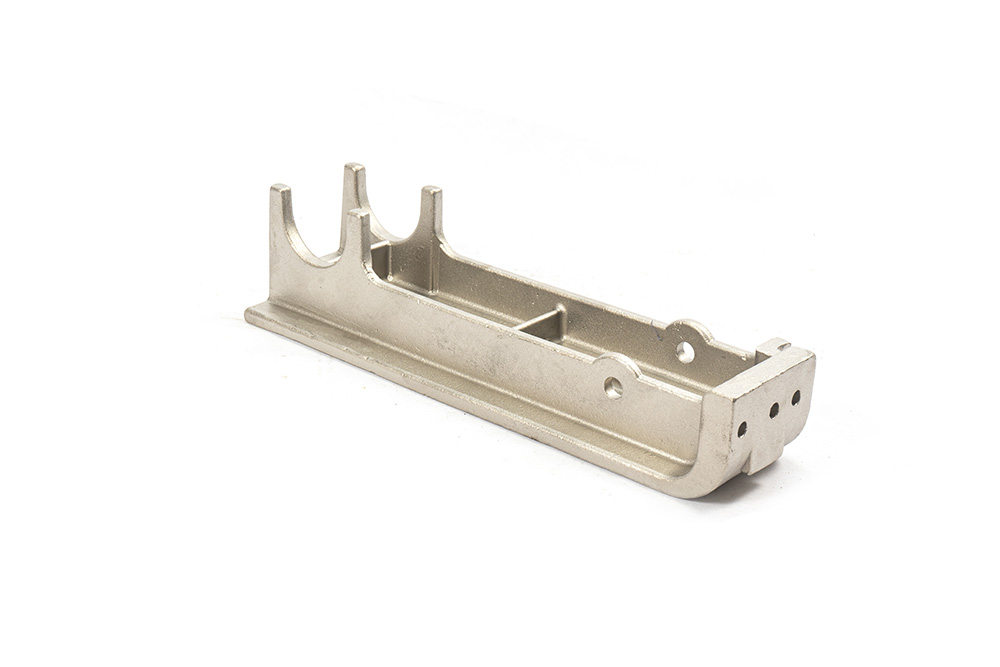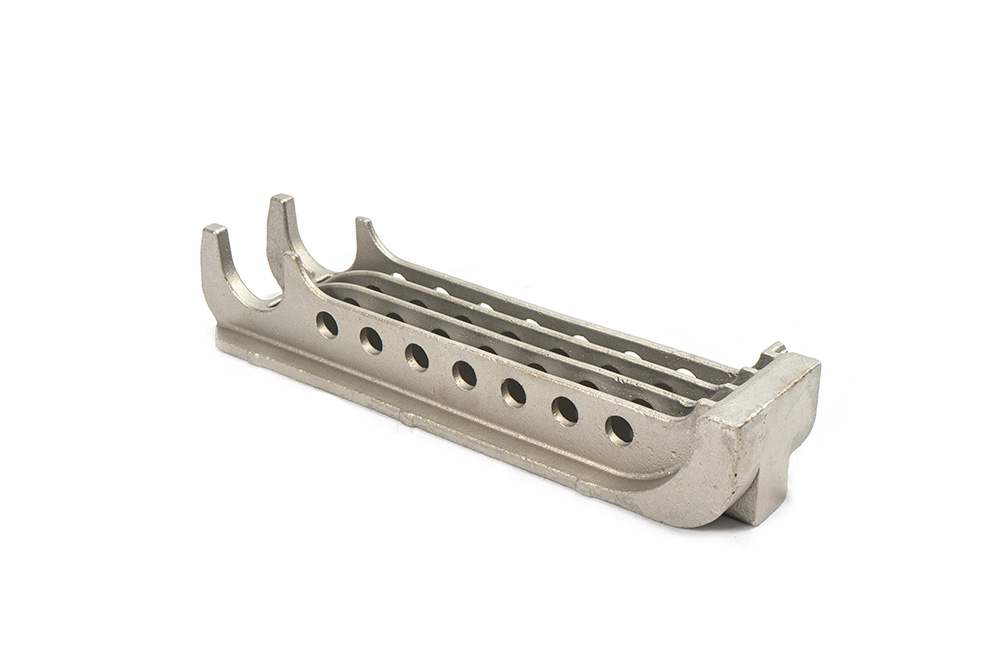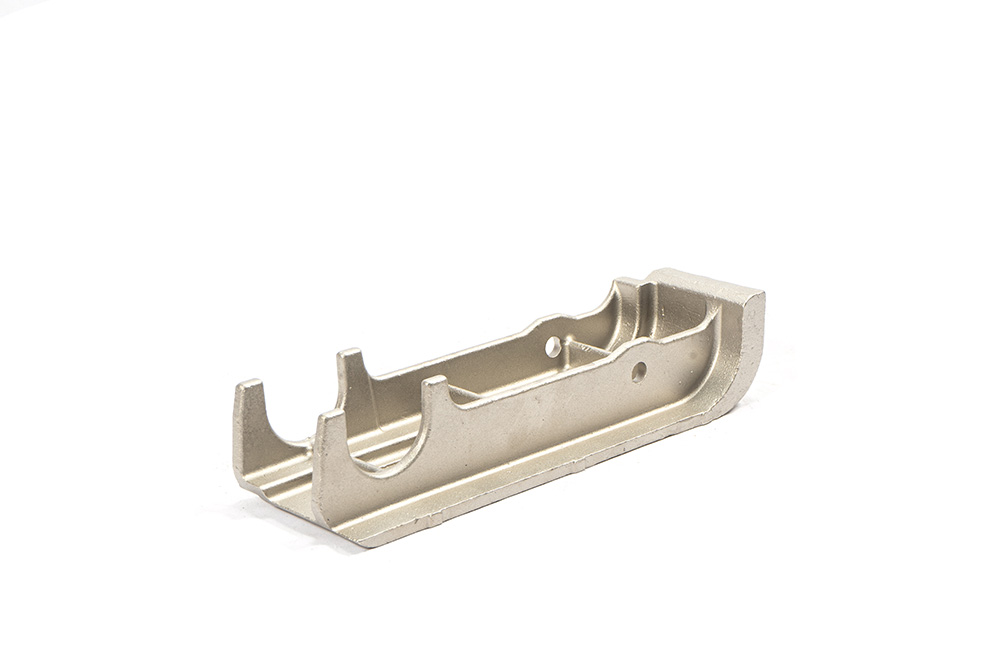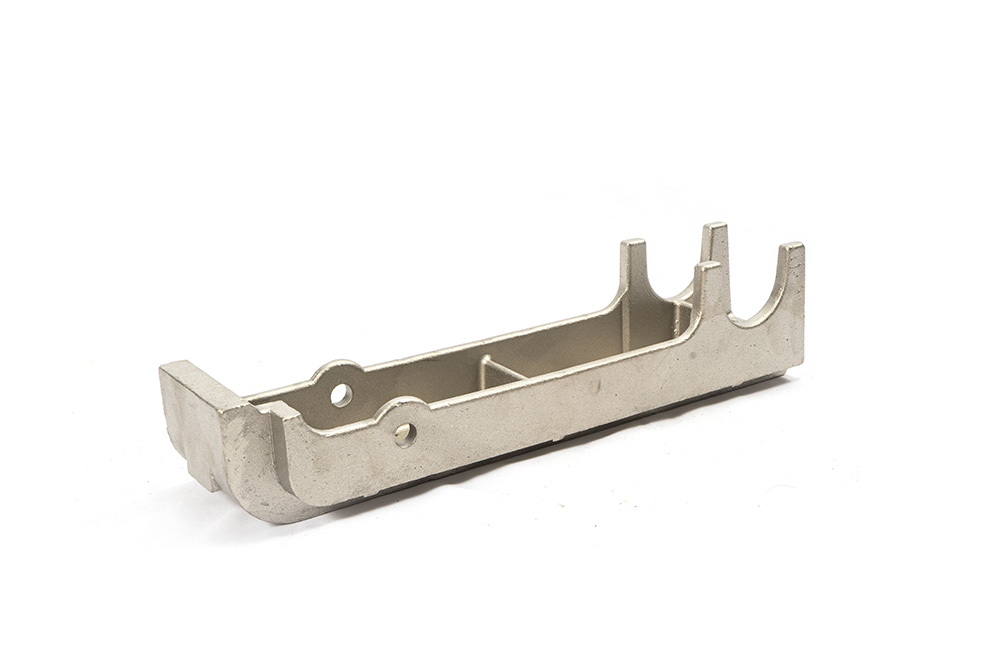

The grate is the core heat exchange and combustion bearing equipment of the garbage incinerator, and is a key carrier for achieving stable and sufficient incineration of household waste. It directly determines the incineration efficiency, burnout rate, and flue gas treatment effect. Compared with traditional incineration equipment, mechanical reciprocating grate has become the mainstream configuration in the field of household waste incineration due to its strong adaptability, stable operation, and large processing capacity, and is widely used in various household waste incineration power generation projects.
From the perspective of structural layout, the grate is arranged in an inclined manner as a whole, consisting of fixed grate and movable grate alternately spliced together, with a compact overall structure and uniform force distribution. The entire grate system relies on a hydraulic drive mechanism to achieve reciprocating motion, which can flexibly adjust the operating speed and reciprocating cycle according to the working conditions such as waste calorific value and moisture content, accurately control the residence time of waste in the furnace, and adapt to the complex composition and uneven dryness and wetness of urban and rural household waste.
In the incineration process, the grate is divided into three functional areas along the direction of garbage transportation, forming a standardized incineration process. Firstly, there is the drying zone where the high humidity household waste entering the furnace relies on high-temperature radiation from the furnace and preheating with primary air at the bottom to quickly evaporate surface and internal moisture, reducing the moisture content of the waste and creating conditions for subsequent combustion. Next is the main combustion zone, where the dried garbage is fully fluffy. Under the reciprocating stirring and flipping action of the grate, it comes into full contact with the primary air sent into the bottom, causing intense oxidation and combustion, releasing a large amount of heat energy. Finally, there is the burnout zone, where residual materials that have not been completely burned continue to burn at low temperatures, completely decomposing combustible components and ultimately forming harmless slag that is discharged from the furnace.
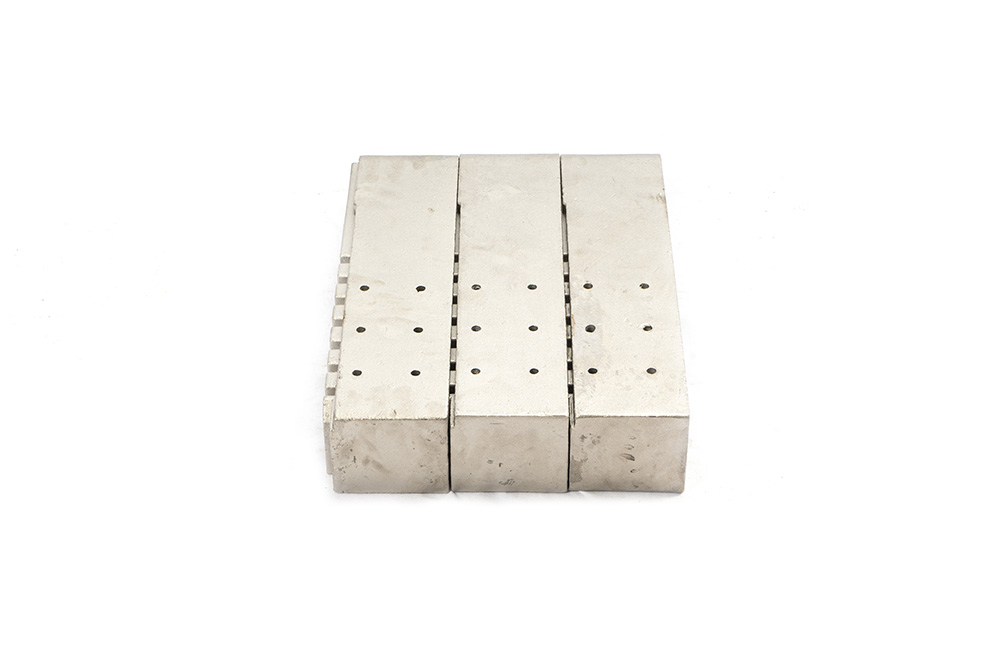
The core operational advantage of grate lies in its dynamic stirring and conveying function. When the equipment is running, the movable grate and the fixed grate move relative to each other in a staggered manner, which not only smoothly pushes the garbage forward, but also disperses the accumulated garbage by flipping through the drop, avoiding material agglomeration and overhead, and eliminating the problem of incomplete combustion due to local oxygen deficiency. At the same time, the grate plates adopt a precision splicing structure, with uniform and controllable gaps. The primary air can penetrate the material layer uniformly through the gaps, achieving balanced air distribution throughout the entire area, effectively improving combustion efficiency, and reducing the generation of pollutants such as carbon monoxide and particulate matter.
As the core equipment of the incineration system, the process characteristics of the grate directly affect the operational efficiency of the entire incineration equipment. The stable operation of the grate can ensure the smooth operation of garbage incineration, improve the utilization of heat energy, reduce the slag burning rate, and alleviate the operating pressure of the subsequent flue gas treatment system. It is the core guarantee for the harmless, reduced, and resourceful treatment of garbage incineration.