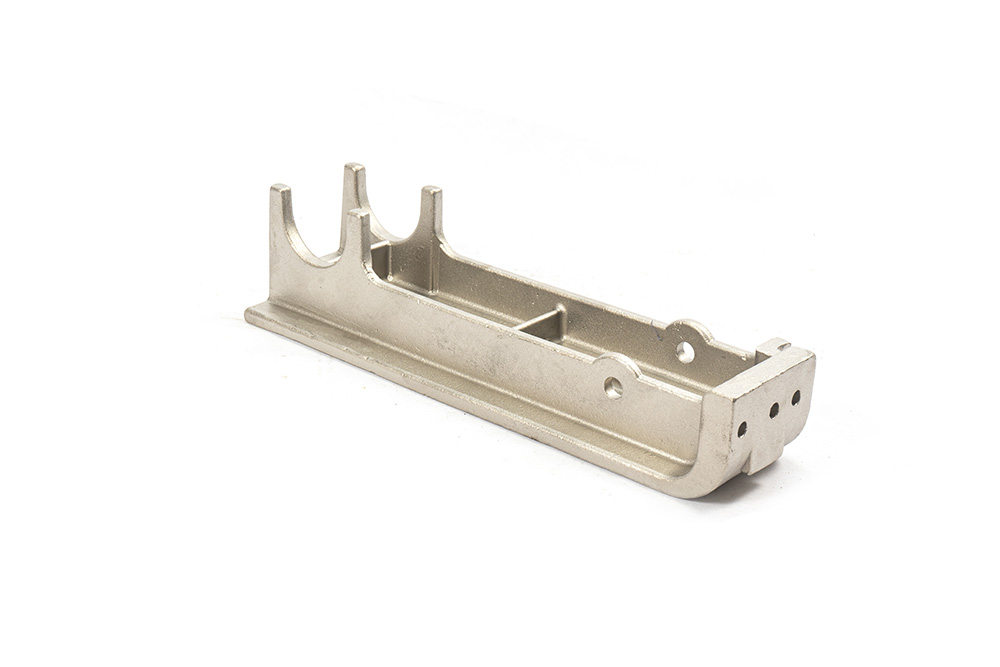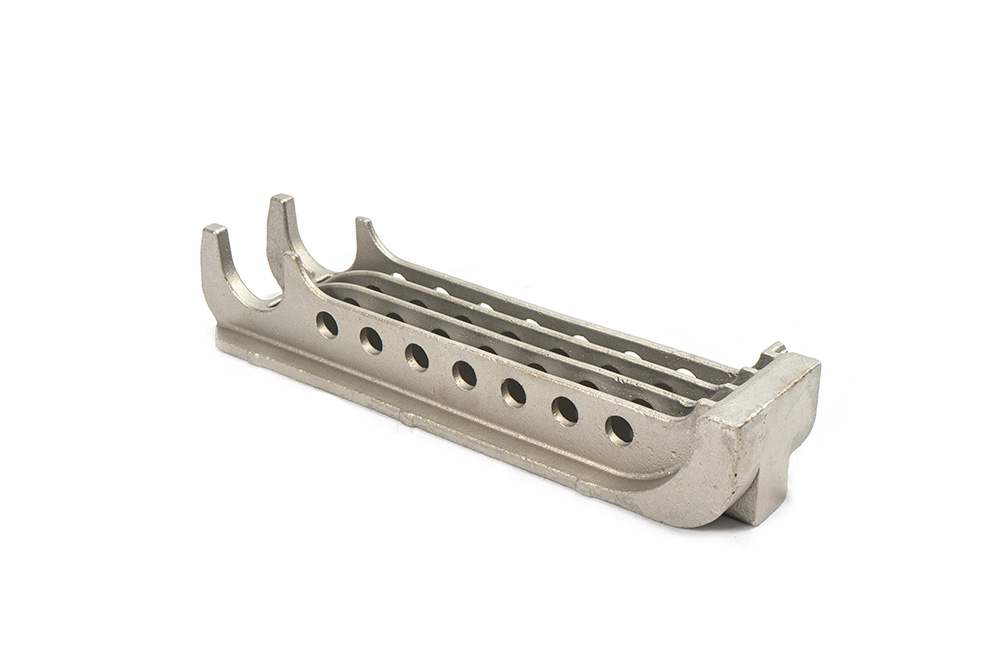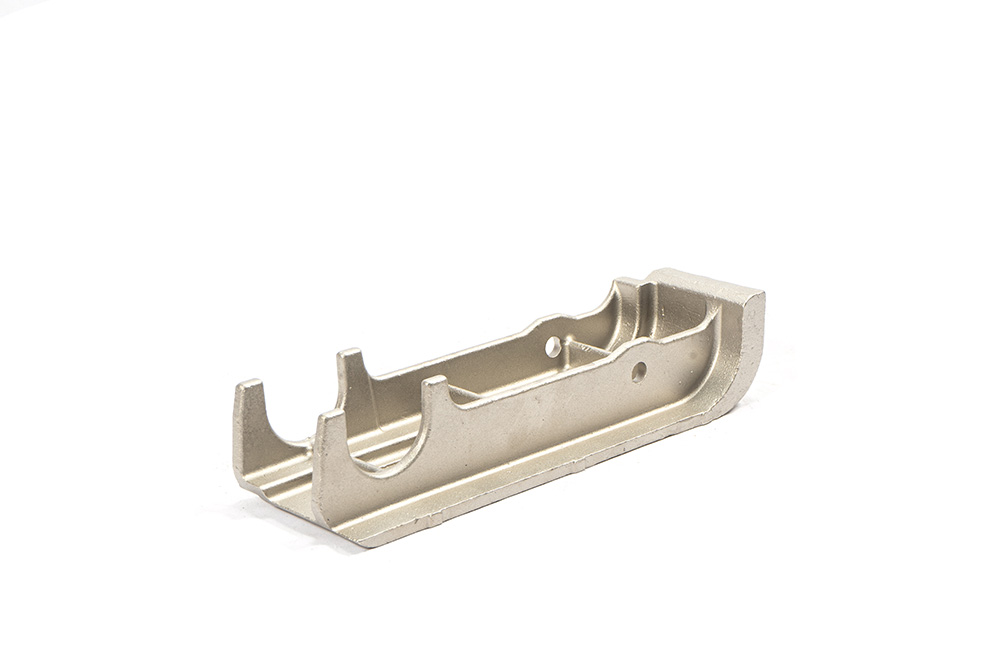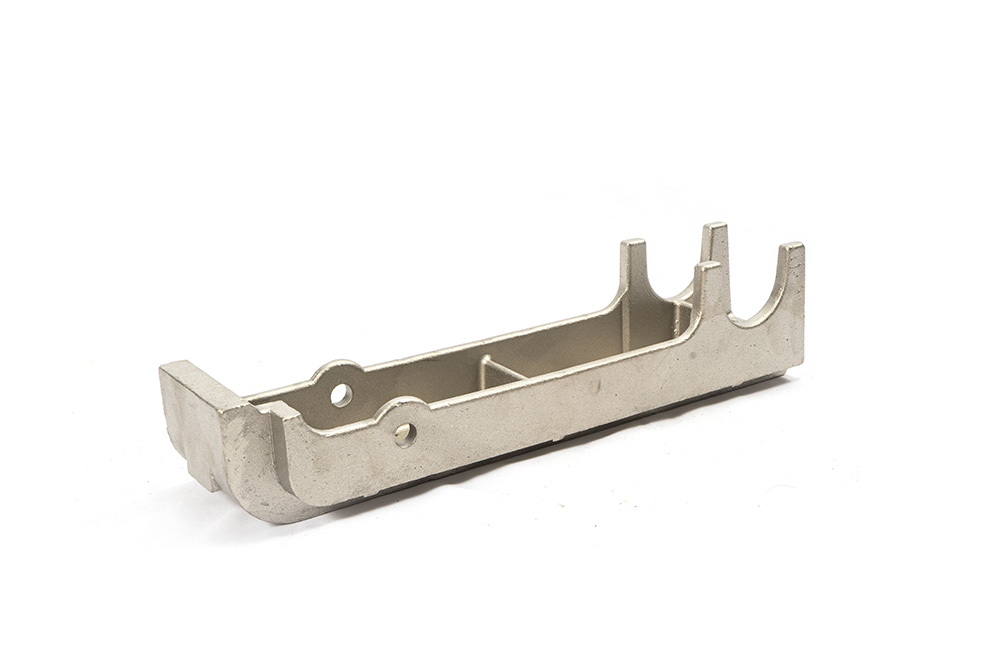

The grate plate is the smallest core unit of the waste incineration grate system, which is composed of multiple modular assemblies to form a complete furnace combustion bearing surface. It is a key vulnerable component that directly contacts household waste, high-temperature flue gas, and primary air. The combustion stability, material conveying efficiency, and air distribution uniformity of the entire incineration system rely on the structural design and collaborative work of the grate plates, and the rationality of its structure directly determines the quality of the incineration conditions.
The grate plates of mainstream reciprocating incinerators are divided into two types: fixed plates and movable plates, which are alternately arranged in a staggered assembly structure. The fixed grate plate is rigidly fixed to the grate bracket, bearing the main material load; The active grate plate is connected to the transmission mechanism and undergoes reciprocating linear motion with the hydraulic system. The gap between the dynamic and static grate plates is precisely designed to avoid large-scale material leakage and provide uniform ventilation channels for primary air, ensuring balanced oxygen supply throughout the furnace and adapting to the complex composition and large fluctuations in dry and wet combustion conditions of household waste.
In terms of structural design, the grate plate adopts an integrated and regular casting structure, with a smooth and wear-resistant surface and passivated edges to reduce material jamming and stress concentration. Some grate plates are equipped with diversion and flipping structures, which rely on reciprocating motion to produce shear and flipping effects. They can break up clumped and fluffy household waste, eliminate wind tunnels and overhead phenomena generated during combustion, and allow bottom and surface garbage to fully contact oxygen, completely solving the industry pain point of insufficient combustion of high humidity and low calorific value garbage.
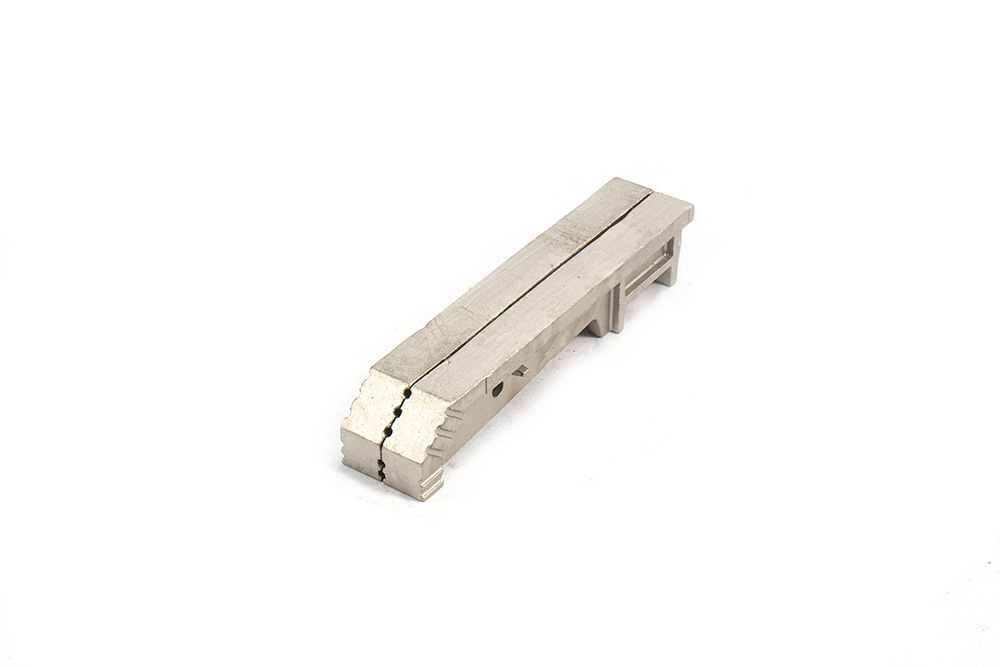
The grate plate has three core functions that run through the entire process of garbage incineration. One of them is the carrying and conveying function, which continuously carries the weight of materials in the furnace. Through the relative movement of the moving and stationary blades, the garbage is smoothly pushed through the three major areas of drying, combustion, and burnout, ensuring continuous production. The second is the function of uniform air distribution. Standardized ventilation gaps can evenly distribute primary air, penetrate the material layer, enhance combustion reactions, and reduce emissions of incomplete combustion products such as carbon monoxide. The third is the slag cleaning protection function. During the relative sliding process of the grate plate, it can automatically clean the gap dust and residue, avoid ventilation blockage, and continuously maintain good combustion conditions.
As the fundamental core component of incineration equipment, grate plates may seem structurally simple, but they play a key role in combustion control, material transportation, ventilation, and oxygen distribution. Scientific structural design can effectively adapt to complex waste conditions, improve incineration efficiency, reduce slag burning rate, and lay a solid equipment foundation for harmless and reduced waste disposal.