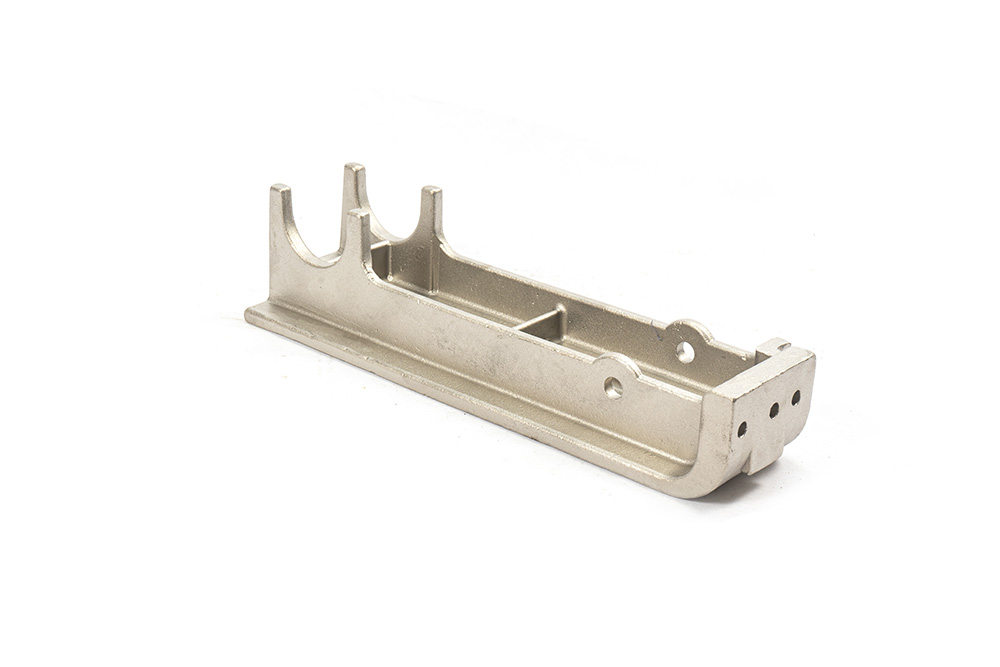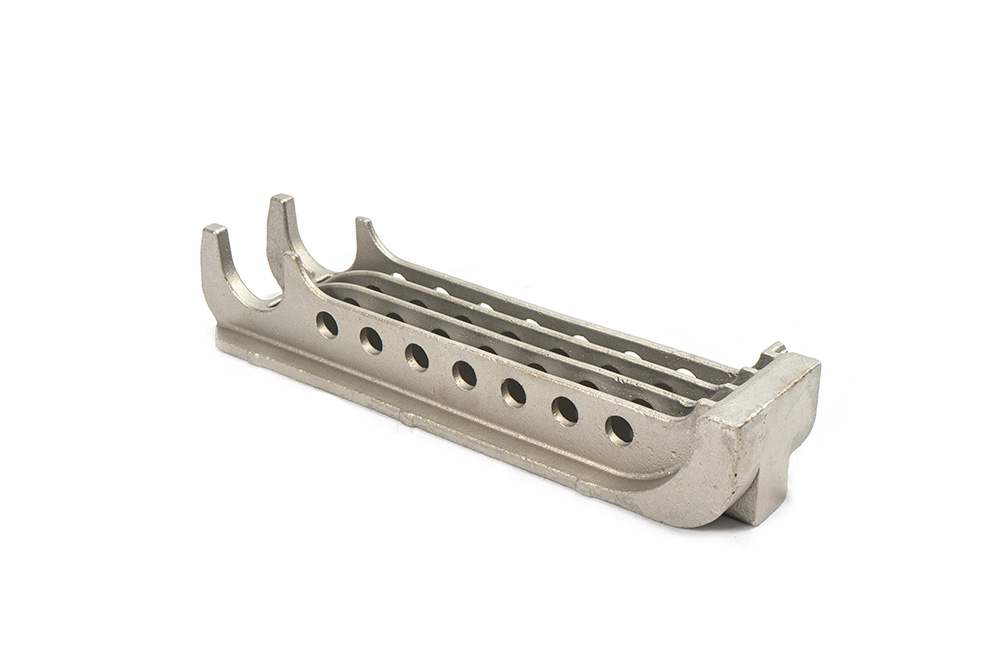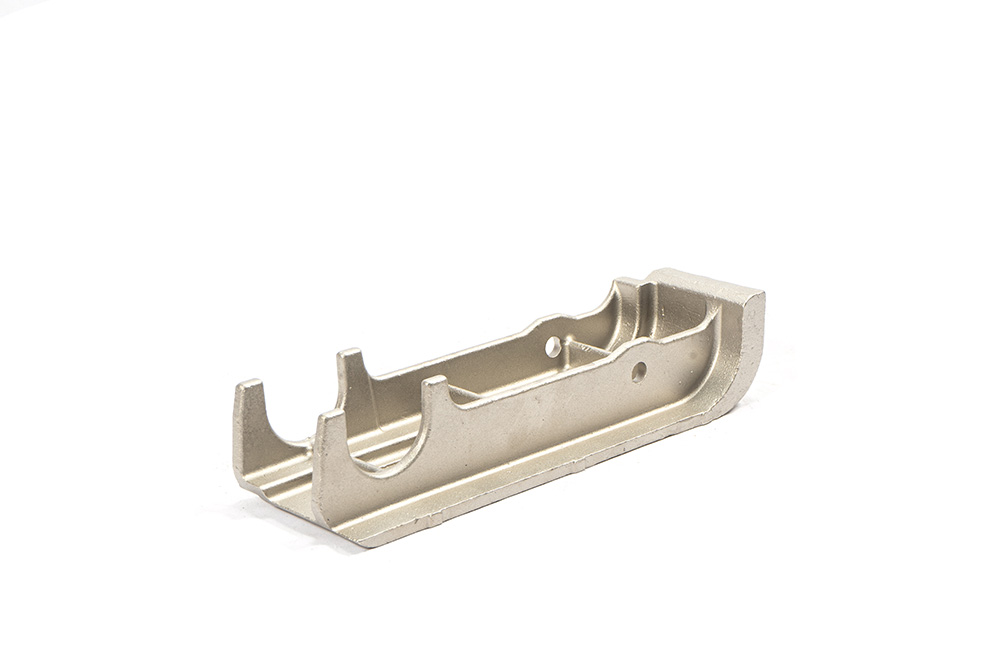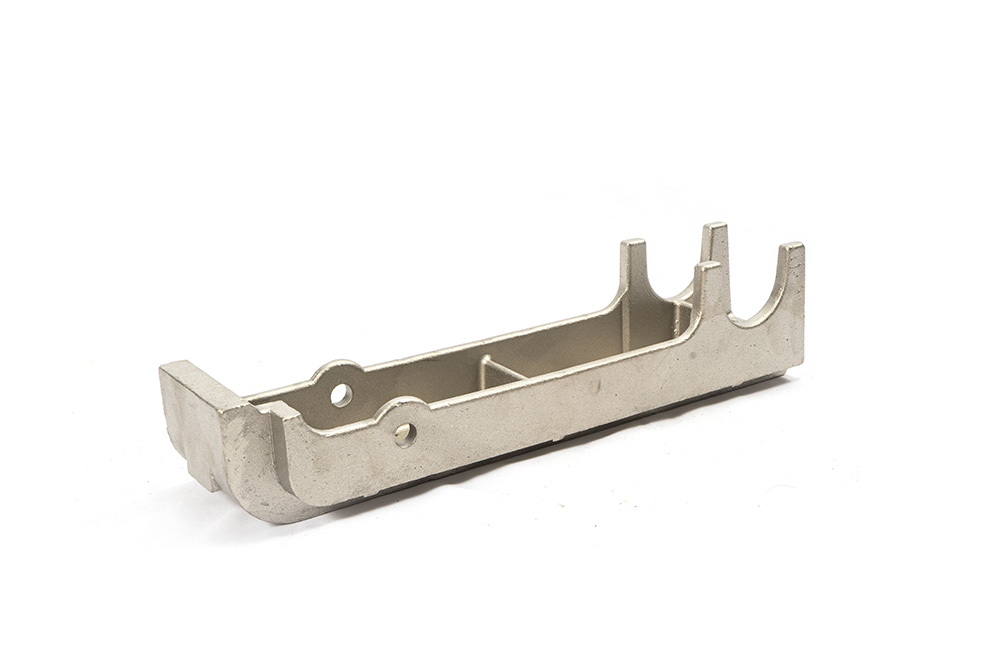

The grate plate of the garbage incinerator has been in service for a long time under extreme conditions of high temperature, wear, corrosion, and alternating stress. It continues to withstand material erosion, high temperature oxidation, acid and alkali flue gas corrosion, and reciprocating mechanical friction. It is the core component with the highest failure rate and replacement frequency in incineration equipment. Thoroughly analyzing the causes of its failure and implementing protective measures is the key to improving the continuous operation time of equipment and reducing operation and maintenance costs.
The common failure modes of grate plates are mainly divided into four categories. The first type is high-temperature oxidation and erosion. The furnace is exposed to a high temperature environment of thousands of degrees Celsius for a long time, and the metal surface of the grate plate continues to undergo oxidation reactions with oxygen, forming a loose oxide layer that gradually falls off and becomes thinner. Long term operation may result in local burning through and defects. The second type is mechanical wear, where the dynamic and static grate plates continue to rub back and forth, while sand, stones, and metal impurities in household waste constantly wash away the surface of the plate, resulting in surface wear, widening gaps, and problems such as slag leakage and disordered air distribution.
The third type is thermal fatigue cracking, where the incinerator is started and stopped, and the load fluctuates frequently. The grate plates undergo repeated heating and cooling processes, resulting in periodic thermal expansion and contraction, causing metal thermal fatigue. Eventually, fine cracks appear and gradually expand, and in severe cases, the grate plates break. The fourth type is medium corrosion. The acidic, alkaline, and chloride corrosive smoke generated by the combustion of household waste can corrode the surface and gaps of the grate, causing pitting and peeling, and accelerating component failure and aging.
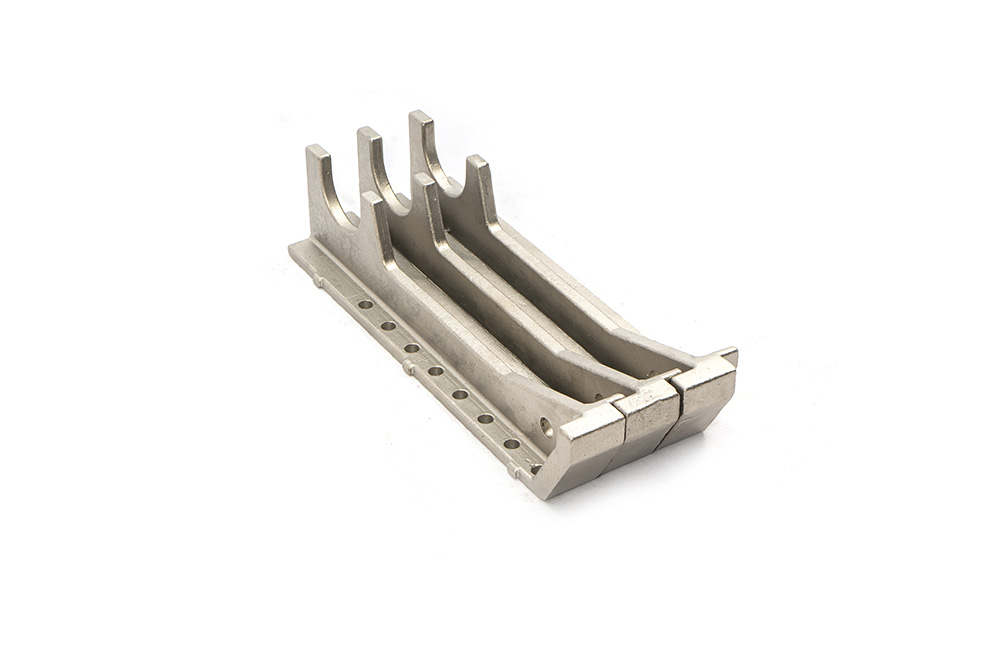
In response to various failure issues, the industry has formed a mature long-term protection technology system. In terms of operational protection, strictly control the furnace temperature, avoid overheating operation, smoothly regulate equipment load, reduce start stop frequency, and reduce thermal fatigue damage; Regularly clean the slag and debris in the gaps between the furnace grate to ensure smooth ventilation and avoid local high-temperature accumulation and erosion. In terms of working condition adaptation, the operating speed of the grate is dynamically adjusted based on the calorific value and moisture content of the garbage, reducing the continuous erosion and corrosion of the grate pieces caused by long-term material accumulation.
In terms of hardware protection, relying on high corrosion resistance and high temperature resistant alloy materials to enhance the performance of the body, while optimizing the internal structure through precision casting technology to reduce defects such as pores and sand holes, and improve structural strength. Through the dual protection of operation and maintenance control and material technology, the failure rate of grate plates can be effectively delayed, the service life can be greatly extended, and the long-term stable and efficient operation of the incineration system can be guaranteed.