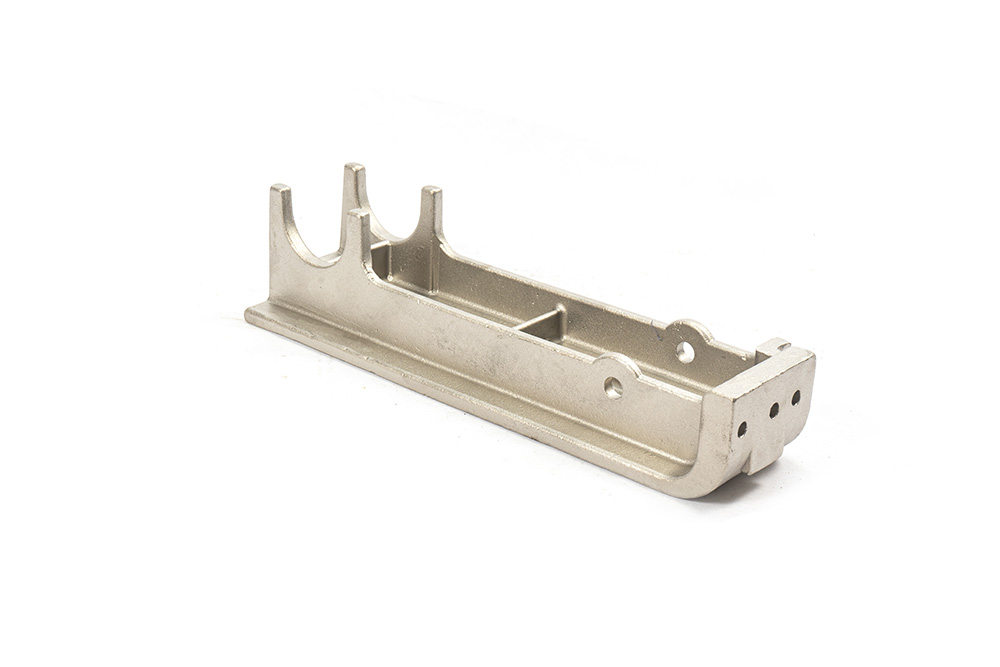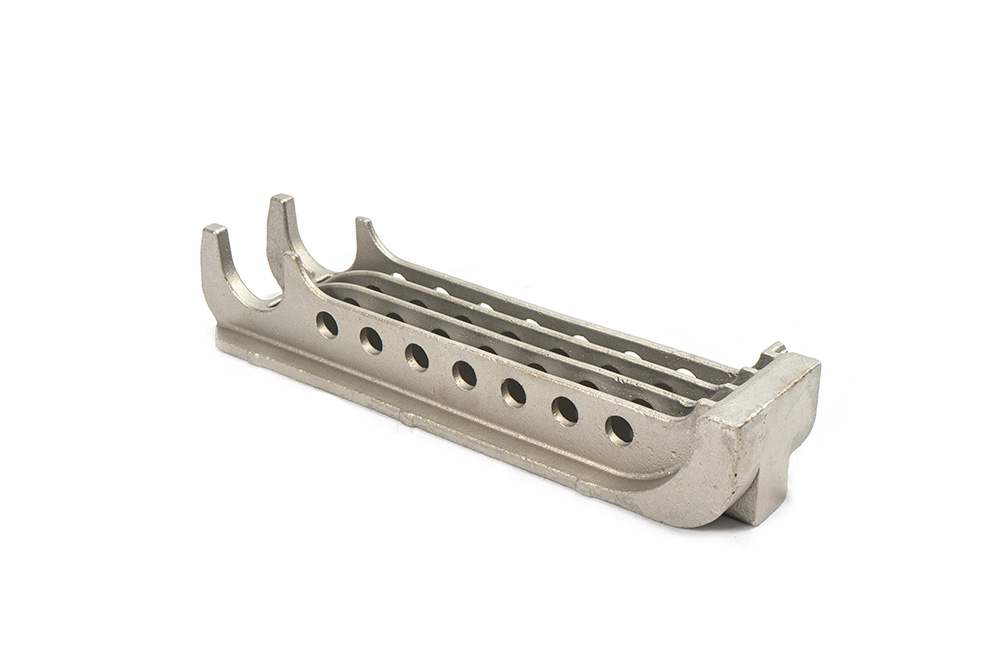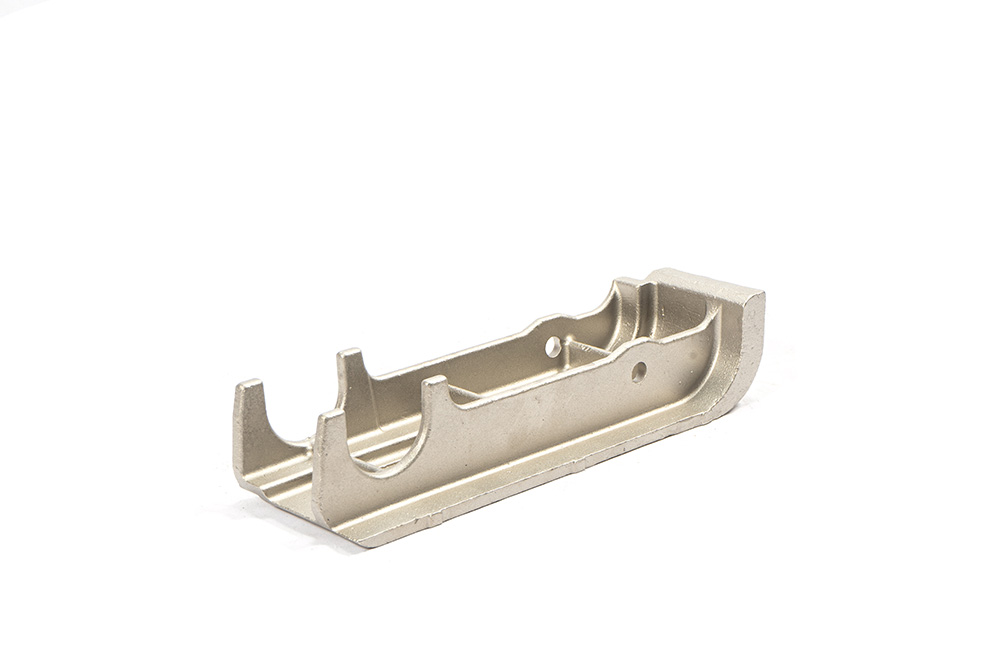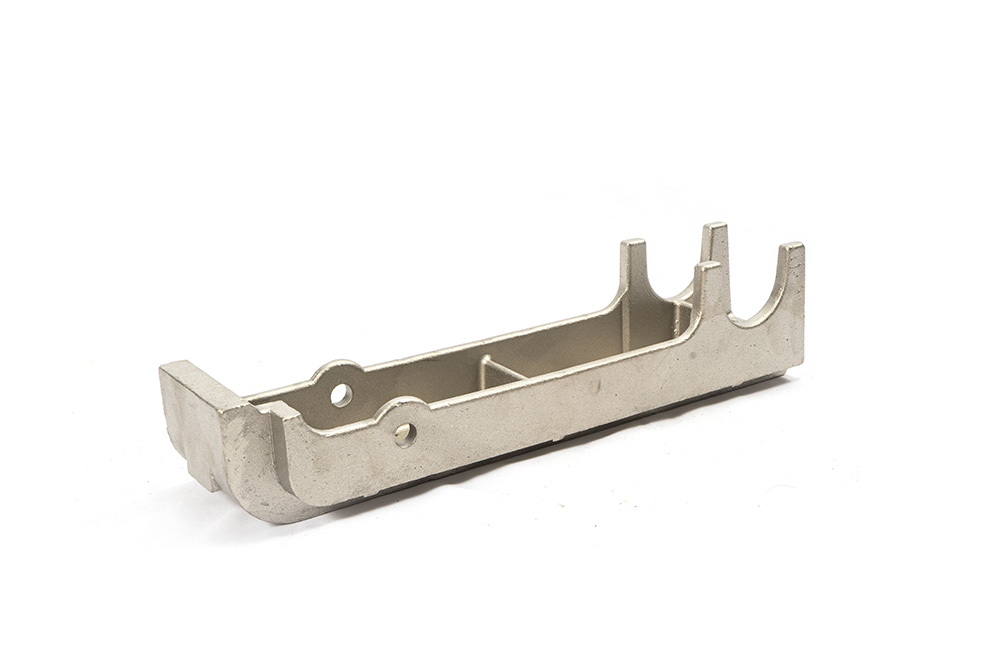

The grate of a garbage incinerator is subjected to harsh conditions such as high temperature, dust, corrosion, and alternating loads for a long time, continuously enduring garbage erosion, high temperature oxidation, and acid-base medium corrosion, which can easily lead to wear, jamming, deformation, and other faults. Scientific daily operation and targeted performance optimization are key to extending the service life of the grate, ensuring stable and efficient operation of the incineration system, and reducing equipment operation and maintenance costs.
The core of daily operation and maintenance management lies in regular inspections and precise control of working conditions. At the level of equipment inspection, it is necessary to focus on checking the degree of wear and tear of the grate plates, the gap between joints, and the operating status of the driving hydraulic system, and promptly identify hidden dangers such as grate jamming, deviation, and looseness. At the same time, regularly clean the slag and debris blocking the gap between the furnace grate to ensure smooth ventilation of the primary air and avoid uneven combustion and high-temperature burning of the grate caused by local air blockage. In addition, it is necessary to strictly monitor the furnace temperature and the operating load of the grate to avoid overheating and overloading operations that exacerbate metal fatigue and corrosion wear of the grate.
Adaptive regulation of operating conditions is an important means to improve the efficiency of grate operation. There are seasonal differences in household waste, with high moisture content and low calorific value in summer and high calorific value in winter. Therefore, it is necessary to adjust the operating parameters of the grate accordingly. Under high humidity garbage conditions, the residence time of the grate can be appropriately extended, the operating speed can be reduced, and the drying effect can be strengthened; Under high calorific value waste conditions, accelerate the pace of grate transportation to avoid local overheating and damage to grate plates, while ensuring continuous and stable combustion of waste. By dynamically matching grate actions and air distribution ratios, combustion efficiency and equipment safety can be effectively balanced.
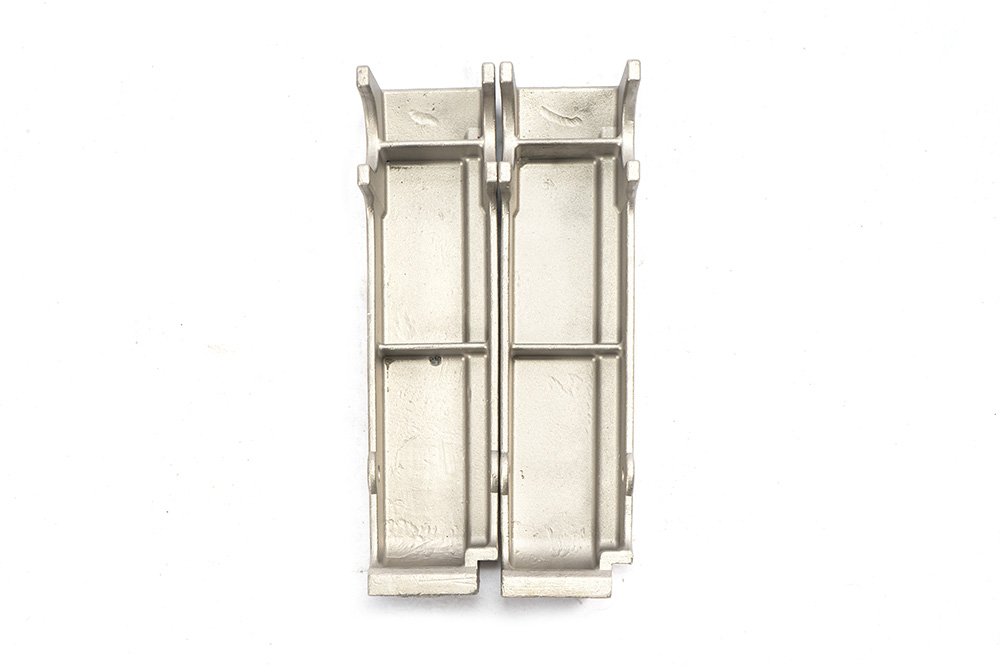
Structural and process optimization is the core measure to improve the comprehensive performance of grate. In terms of material optimization, special alloy materials with high temperature resistance, corrosion resistance, and wear resistance are used to make grate plates, enhancing the equipment's ability to adapt to harsh working conditions and reducing high-temperature oxidation and acid-base corrosion damage. In terms of structural optimization, optimize the splicing structure of grate plates and ventilation gaps to achieve uniform air distribution throughout the entire area, strengthen the mixing effect of garbage, and eliminate the problem of insufficient material accumulation and combustion. At the same time, optimize the hydraulic drive control system to achieve independent and precise control of each section of the grate, and adapt to the process requirements of different incineration stages.
Practical operation has shown that a standardized operation and maintenance system and scientific optimization plan can effectively reduce the frequency of grate failures and shutdowns, extend equipment service life, stabilize waste incineration burn off rate, reduce slag thermal burn off rate, improve the operational stability and resource utilization efficiency of the entire waste incineration system, and provide reliable equipment technical support for harmless and green disposal of household waste.